
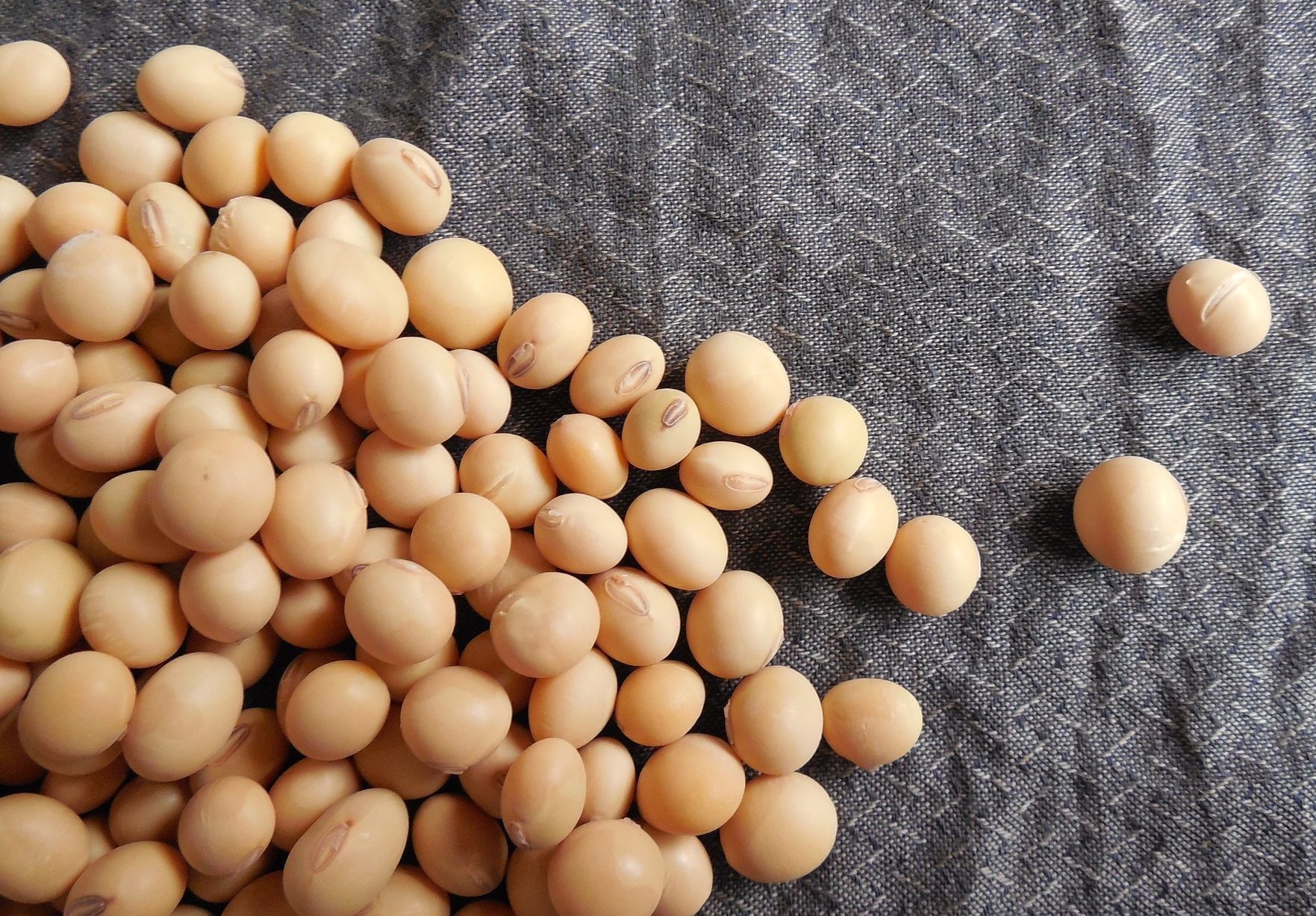
New federal data highlights the continued importance of soybean processing in supporting food production, animal agriculture, advanced biofuels, and other biobased industries.
U.S. soybean processors crushed approximately 5.96 million short tons of soybeans, equivalent to nearly 199 million bushels, in September 2026, according to the U.S. Department of Agriculture (USDA).
The figures, published November 2 by USDA’s National Agricultural Statistics Service (NASS), reflect a decrease from the 6.29 million tons processed in August 2026 and the 6.15 million tons processed in September 2025. Despite the decline, soybean processing remains an important component of the nation’s agricultural economy, supplying raw materials for food, livestock feed, renewable fuels, and a growing range of biobased products.
Soybean crushing separates harvested soybeans into two primary products: soybean oil and soybean meal. Soybean meal is widely used as a protein-rich ingredient in livestock and poultry feed, while soybean oil serves food markets and industrial applications, including the production of biodiesel, renewable diesel, lubricants, and other biobased products.
According to USDA, processors produced approximately 2.31 billion pounds of crude soybean oil during September, a 6% decrease from August and a 4% decrease from the same period in 2025. Production of once-refined soybean oil reached approximately 1.91 billion pounds, down 5% from August.
Soybean meal production totaled approximately 4.19 million tons, including 4.14 million tons designated for animal feed.
Industrial Demand Highlights Soybean Oil’s Expanding Role
While overall soybean processing declined, USDA data indicate continued demand for soybean oil in nonfood applications.
Approximately 705 million pounds of once-refined soybean oil were removed for inedible uses during September 2026, an increase of nearly 15% compared with the 615 million pounds reported in September 2025. Meanwhile, soybean oil removed for edible uses declined from approximately 1.34 billion pounds to 1.22 billion pounds over the same period.
Industrial applications include renewable fuel production, where soybean oil serves as an important feedstock for biodiesel and renewable diesel. These fuels can help reduce lifecycle greenhouse gas emissions compared with petroleum diesel while providing additional markets for agricultural commodities.
However, USDA’s monthly oilseed crushing report does not identify how much of the soybean oil reported for inedible uses was specifically consumed in biofuel production.
Midwest Remains Central to Soybean Processing
The Midwest continues to play an important role in the nation’s soybean processing industry, supported by its agricultural production, transportation infrastructure, and established network of crushing facilities.
In Illinois, processors crushed approximately 671,000 tons of soybeans during September, compared with 832,000 tons in August. Iowa processors crushed approximately 1.17 million tons, down from 1.38 million tons the previous month.
Soybean processing facilities help connect agricultural production with domestic manufacturing by converting crops into ingredients and feedstocks used across multiple industries.
Continued investment in processing capacity also creates opportunities to strengthen domestic supply chains, expand markets for soybean farmers, and support the production of renewable fuels and other biobased products.
As demand evolves across food, agricultural, energy, and industrial markets, soybean processing will remain an important link between American agriculture and the industries that rely on its products.
The USDA’s next monthly Fats and Oils: Oilseed Crushings, Production, Consumption and Stocks report is scheduled for December 1, 2026.