
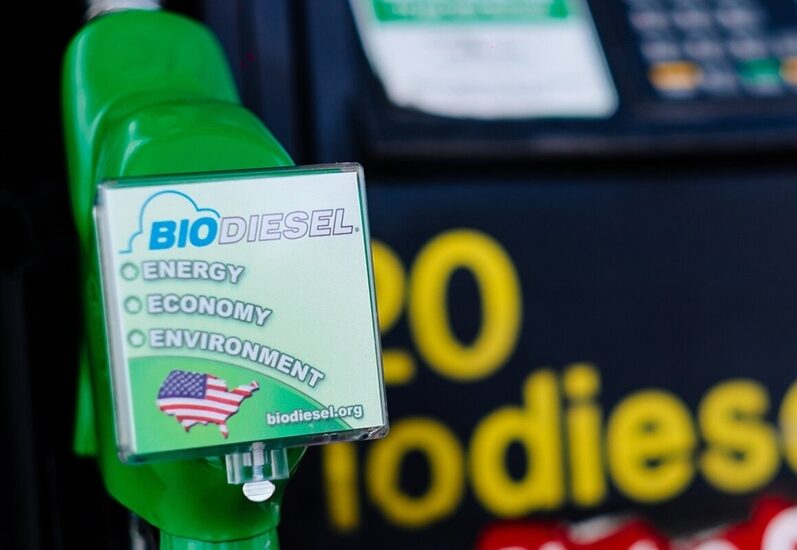
Clean Fuels’ Jeff Earl discusses the role of biodiesel in supporting American agriculture, reducing emissions, and strengthening domestic energy production.
Biodiesel’s growing role in American agriculture, transportation, and energy production was the focus of a recent In Focus Missouri segment on Spectrum News, featuring Jeff Earl, Director of State Government Affairs for Clean Fuels Alliance America.
During the November 8, 2026, broadcast, Earl discussed the environmental and economic benefits of biodiesel, including its renewable origins, cleaner combustion, performance characteristics, and lower lifecycle carbon emissions compared with petroleum diesel.
The conversation also explored challenges facing American farmers, including soybean prices and the importance of maintaining strong domestic markets for agricultural commodities.
Connecting American Agriculture and Energy Production
Produced from renewable resources such as soybean oil, used cooking oil, and animal fats, biodiesel provides an alternative to conventional petroleum diesel while creating additional demand for domestically produced agricultural commodities.
Soybeans are particularly important to the U.S. biodiesel industry. When soybeans are processed, they produce both protein-rich soybean meal, primarily used in animal feed, and soybean oil, which can be refined into biodiesel and other renewable products.
This relationship creates opportunities for farmers and fuel producers alike. By expanding markets for soybean oil, biodiesel production can add value to agricultural commodities while helping diversify the nation’s transportation fuel supply.
For agricultural states such as Missouri, the connection between farming and renewable fuels also supports rural economic development, domestic manufacturing, and energy security.
Environmental and Operational Benefits
Beyond its agricultural benefits, biodiesel offers opportunities to reduce emissions from existing diesel-powered vehicles and equipment.
Depending on the feedstock and production pathway, biodiesel can substantially reduce lifecycle greenhouse gas emissions compared with petroleum diesel. Biodiesel blends can also reduce certain tailpipe pollutants, including particulate matter, although results vary by engine technology, blend level, and operating conditions.
Biodiesel also offers practical advantages for fleet operators. Lower blends, including B20, can generally be used in many existing diesel engines with little or no modification, subject to manufacturer guidance and appropriate fuel management practices.
These characteristics make biodiesel an option for public works departments, transit agencies, agricultural operations, commercial trucking fleets, and other industries that continue to rely on diesel-powered equipment.
Supporting Farmers Through Stronger Domestic Markets
Earl’s discussion also addressed the economic pressures facing American farmers, including fluctuations in soybean prices.
Renewable fuel production provides an additional market for soybean oil, helping diversify demand beyond traditional food and industrial applications.
As the United States continues to expand its domestic soybean processing capacity, the availability of soybean oil for renewable fuel production is expected to remain an important consideration for agricultural producers, processors, and policymakers.
However, continued growth depends on several factors, including fuel demand, feedstock availability, market conditions, and federal and state policies supporting renewable fuel production and use.
Looking Toward the Future
Headquartered in Jefferson City, Missouri, Clean Fuels Alliance America represents the biodiesel, renewable diesel, and sustainable aviation fuel industries. The organization works to advance fuel quality, technical education, market development, and public policies that support domestic renewable fuel production.
As the transportation and agricultural sectors continue to evolve, biodiesel and other advanced biofuels offer opportunities to connect American agriculture with practical energy solutions.
The In Focus Missouri discussion highlights how renewable fuels can help address multiple priorities, from supporting farmers and rural communities to reducing emissions and strengthening the nation’s domestic fuel supply.
Watch the interview: Spectrum News – Clean Fuels Alliance America’s Jeff Earl Discusses Biodiesel