
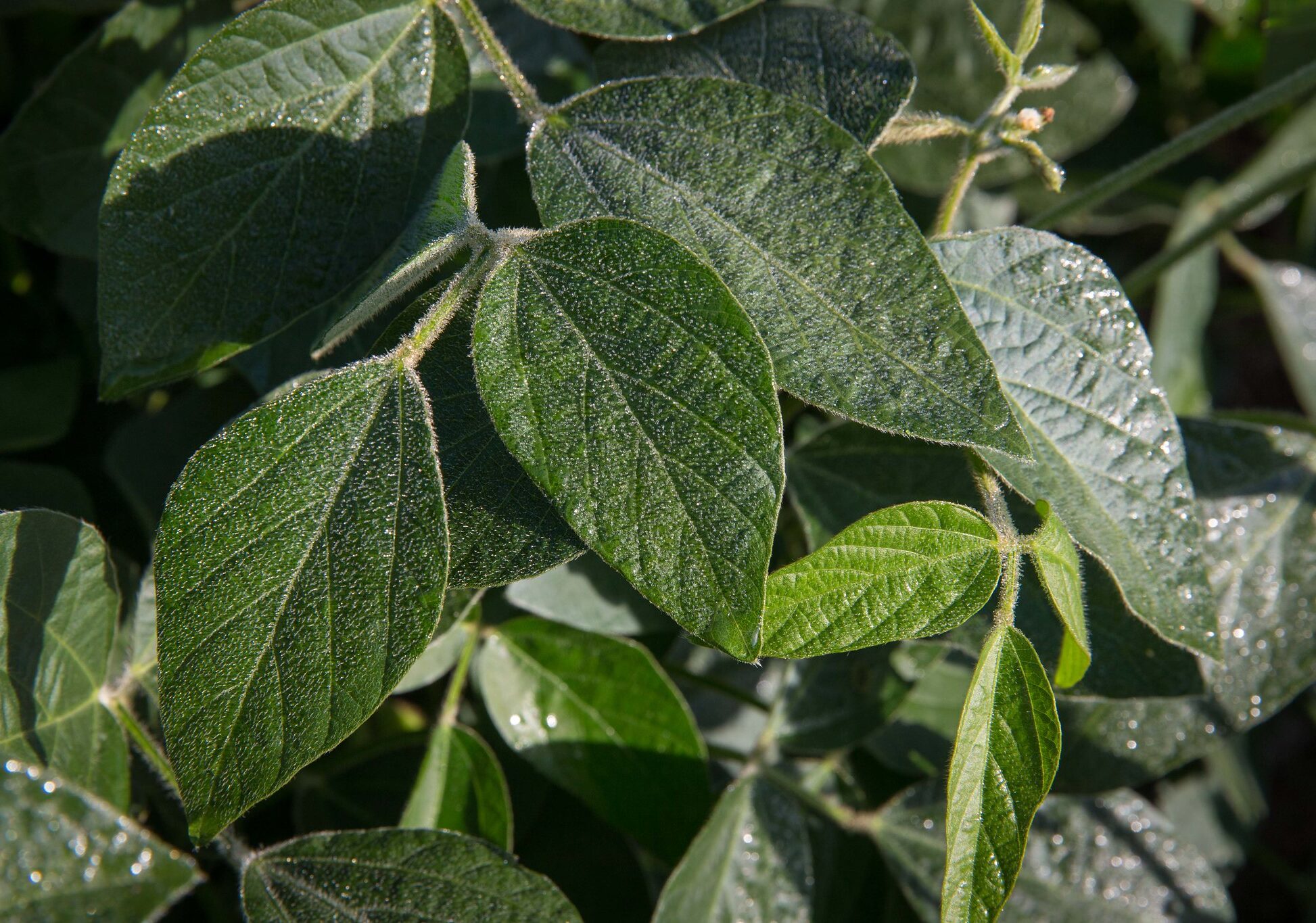
Soybean farmers and market analysts were eagerly awaiting USDA’s first farmer-surveyed yield estimates of the season ahead of the August 2026 Crop Production and World Agricultural Supply and Demand Estimates reports, released Aug. 12.
But yield ultimately played a smaller role than expected in USDA’s early outlook for the 2026 U.S. soybean crop. Instead, a larger-than-anticipated increase in harvested acreage drove production projections to a new record.
Despite the massive supply outlook, soybean futures moved higher following the reports, supported by gains in corn, stronger soybean-crush volumes and continued Chinese export purchases.
Strong Demand Supports Soybean Prices
Nearby September 2026 soybean futures gained 13.75 cents per bushel, or 1.1 percent, to settle at $11.65 per bushel following the favorable demand outlook.
New-crop November 2026 futures posted a similar increase after USDA’s Aug. 12 reports, climbing 14.5 cents per bushel, or 1.1 percent, to close at $11.835 per bushel.
USDA increased its 2025-’26 soybean-crush forecast by 5 million bushels to 2.655 billion bushels, reflecting attractive processing margins.
Expectations for a large 2026 crop, elevated soybean-oil prices, continued strong crush margins and increased competition in export markets also prompted USDA to raise its new-crop consumption forecast.
USDA added approximately 30 million bushels to projected 2026-’27 crush volumes, bringing the new marketing-year total to 2.78 billion bushels.
Soybean oil also moved higher. September 2026 soybean-oil futures gained more than half a cent per pound, or 0.9 percent, to finish Aug. 12 at 69.16 cents per pound.
USDA maintained its season-average soybean-oil price forecasts at 64 cents per pound for 2025-’26 and 70 cents per pound for 2026-’27.
Soybean-oil demand remains strong during the current marketing year, with additional growth expected next year as renewable diesel consumption expands. However, USDA took a somewhat more conservative approach to the pace of that growth.
USDA increased its forecast for soybean oil used in biofuel production during 2025-’26 by 150 million pounds to 14.7 billion pounds, a pace that continues to outstrip recent production gains.
For 2026-’27, USDA expects soybean-oil production to approach 33 billion pounds as new-crop crush volumes increase. However, the additional 355 million pounds of projected production was allocated entirely to food, feed and other industrial uses rather than biomass-based diesel consumption.
Soybean meal markets also benefited from stronger export expectations and consistently higher domestic livestock demand.
USDA projects soybean-meal consumption by domestic livestock and export customers during both the 2025-’26 and 2026-’27 marketing years to grow faster than crush volumes, leaving the market increasingly reliant on imports to meet demand.
Reflecting that outlook, USDA raised its 2025-’26 season-average soybean-meal price forecast by $5 per ton to $320 per ton, while leaving the 2026-’27 forecast unchanged at $310 per ton.
Nearby September 2026 soybean-meal futures gained $3.50 per ton, or 1.1 percent, following USDA’s revisions, closing the Aug. 12 session at a three-day high of $308.50 per ton.
More Acres Push an Already-Large Crop Higher
Ahead of USDA’s August reports, markets largely expected the agency’s soybean-yield estimate to remain close to its 53-bushel-per-acre trendline projection.
Pre-report analyst estimates ranged from 52 to 53 bushels per acre, averaging 52.9 bushels per acre.
Based on farmer surveys, USDA estimated the August soybean yield at 52.7 bushels per acre. That figure was slightly below market expectations but, if realized, would still represent the second-highest U.S. soybean yield on record.
The August estimate, however, comes relatively early in the crop’s development.
USDA conducted its August 2026 yield survey from late July through the first week of August, when much of the nation’s soybean crop was only entering or progressing through peak pod-fill.
At that stage, farmer-reported yield expectations are inherently less certain because final pod development and seed size have yet to be determined.
Historically, USDA’s October and November soybean-yield estimates tend to vary less from the final January yield, meaning markets may need to wait several more months for a clearer picture of 2026 production.
Acreage estimates in the August Crop Production report provided considerably more certainty.
USDA resurveyed farmers on acreage and reconciled those results with Farm Service Agency certified acres, Risk Management Agency insured acres, satellite imagery and field observations. Together, those sources provided USDA’s most comprehensive estimate of 2026 soybean acreage to date.
Before the report, traders expected harvested soybean acreage to fall between 84.4 million and 85.4 million acres, with an average estimate of 84.6 million acres.
USDA exceeded even the highest trade estimate, projecting 85.5 million harvested acres. That represents an additional 1.4 million acres, or 1.7 percent, compared with the 84.4 million acres estimated in USDA’s June 2026 acreage report.
The acreage revisions varied significantly by region.
States along portions of the I-90 corridor reported fewer soybean acres, while gains elsewhere in the Mississippi River Valley more than offset those reductions.
South Dakota, Iowa and Illinois collectively reported 200,000 fewer planted soybean acres in the August Crop Production report, while Ohio recorded a reduction of 150,000 acres.
USDA found additional soybean acreage in Missouri, up 350,000 acres; Mississippi, up 330,000; Minnesota, up 300,000; Arkansas, up 250,000; Nebraska, up 250,000; and Louisiana, up 170,000.
The increase in soybean acreage throughout the Mississippi River Delta region could prove particularly advantageous as China continues booking U.S. soybean shipments for the 2026-’27 marketing year.
These states are typically among the first areas tapped to supply fall soybean exports through U.S. Gulf ports.
Even with USDA’s slightly lower yield estimate, the additional acreage was enough to increase the forecast for an already record-setting soybean harvest.
USDA now projects the 2026 U.S. soybean crop at 4.519 billion bushels, an increase of 44 million bushels, or 1 percent, from its previous estimate.
The revised production forecast landed near the upper end of pre-report trade expectations, which ranged from 4.389 billion to 4.552 billion bushels.
USDA’s Farm Service Agency also released its first prevent-plant figures for the 2026 growing season.
Farmers reported 525,376 failed soybean acres in 2026, more than 744,000 fewer acres than the previous year.
The comparatively low prevent-plant total suggests favorable spring planting conditions allowed producers to get a greater share of intended soybean acreage into the ground.
As a result, the United States is positioned to harvest a record soybean crop this fall from what would be the sixth-largest soybean acreage on record.
Assuming harvest conditions remain favorable, USDA’s October and November yield estimates will likely become the key variables determining the final size of the crop and the broader 2026-’27 soybean supply outlook.