
On July 6, 2026, the Michigan Advanced Biofuels Coalition (MiABC) celebrated its fourth anniversary. Like the changing seasons, our coalition has experienced significant growth and change over the past four years.
MiABC was established by the Michigan Soybean Committee and Michigan Soybean Association to unite Michigan’s advanced biofuel value chain—from farmers and fuel producers to fleets, distributors, researchers, decision-makers, and many others—to promote cleaner, locally produced transportation energy solutions.
Four years later, we are proud of the progress we’ve made together.
Working alongside our partners, MiABC has promoted biodiesel, renewable diesel, sustainable aviation fuel (SAF), and biobased products as practical, accessible solutions that support Michigan agriculture, strengthen energy security, improve air quality, and grow our state’s economy.
Four Years of Progress
Since our launch, MiABC has worked to educate, connect, and grow Michigan’s advanced biofuel community in a variety of ways.
We have built a diverse statewide coalition representing agriculture, transportation, fuel production, academia, environmental organizations, fleets, and industry partners committed to advancing renewable transportation fuels.
Throughout the past four years, we have shared hundreds of news articles, educational resources, press releases, and success stories highlighting the people and organizations driving Michigan’s advanced biofuel economy forward. These stories have showcased fleets across the state successfully using biodiesel to reduce emissions while maintaining reliable operations, demonstrating that cleaner fuels perform effectively in real-world conditions.

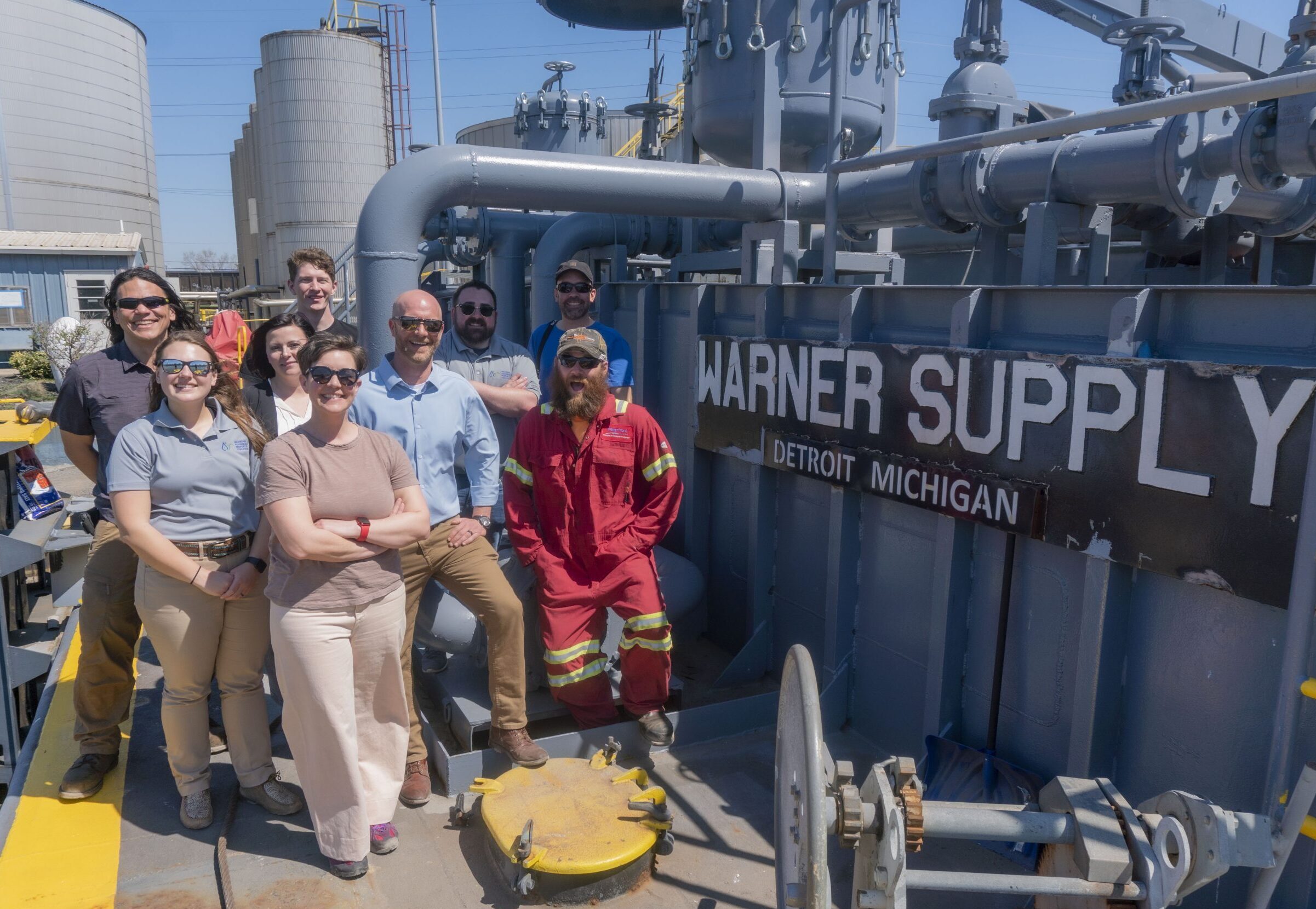
Our coalition has also hosted tours and educational sessions to highlight Michigan’s advanced biofuel industry—including tours of soybean processing operations, biodiesel manufacturing facilities, used cooking oil recycling companies, fuel distribution and infrastructure, and fleet sites throughout the state. Along the way, we’ve helped illustrate how renewable fuels support jobs and economic development while creating new markets for Michigan agriculture.
Expanding Partnerships and New Opportunities
As MiABC has grown, so too has the breadth of our partnerships and outreach.

We expanded into the marine sector by engaging with marine fuel suppliers, vessel operators, port authorities, port operators, and environmental organizations working to reduce emissions across the Great Lakes.
We also welcomed new stakeholders and strengthened partnerships with organizations including Michigan State University, Green Marine, Benecor, Southwest Detroit Environmental Vision, Evergreen Grease, W2 Fuel, Thumb BioEnergy, Warner Petroleum, and many others.

In addition, MiABC launched the Michigan Biofuels Brief newsletter, hosted its first statewide stakeholder meeting and soybean crush plant tour at ZFS Ithaca, expanded discussions surrounding advanced biofuel production and distribution, and continued developing resources that connect fleets with fuel suppliers across Michigan.
Telling Michigan’s Bioeconomy Story
Perhaps most importantly, MiABC has helped tell Michigan’s bioeconomy story.

From soybeans grown by Michigan farmers to soybean meal used for livestock feed, soybean oil used for cooking, renewable fuels powering vehicles and equipment, and biobased products used every day, we’ve worked to demonstrate how agriculture creates value throughout the state’s economy while benefiting farmers, businesses, and local communities.
Looking Ahead
None of this would have been possible without the dedication and collaboration of our stakeholders.
Thank you to every farmer, producer, fleet manager, fuel marketer, researcher, decision-maker, and partner who has been part of this journey. Your support and collaboration have strengthened MiABC and propelled our mission forward year after year.
The first four years have laid a strong foundation, but there is still much more to accomplish. We look forward to continuing this work together and building an even stronger, more sustainable future for Michigan over the next four years.