
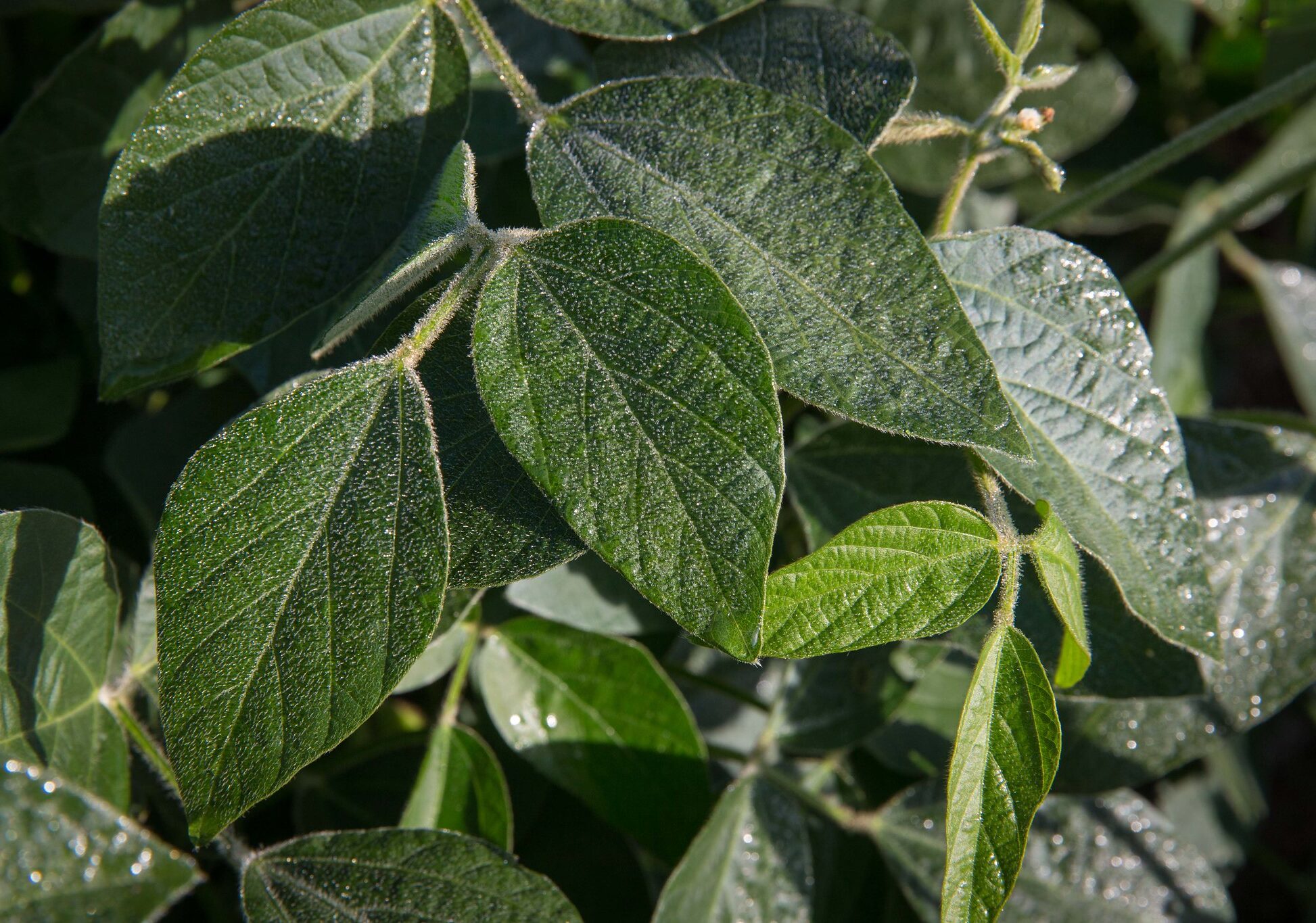
The U.S. Department of Agriculture released its latest Grains and Oilseeds Outlook on Feb. 19, projecting a notable expansion in soybean acreage, production, and biofuel-related demand in the 2026–27 marketing year. Central to the outlook is a sharp increase in soybean oil use for biofuel, which USDA expects to climb by roughly 17 percent.
USDA projects total U.S. soybean supplies to rise about 5 percent in 2026–27, driven by both higher beginning stocks and increased production. Planted soybean acreage is forecast to expand by nearly 4 million acres, reflecting improved relative profitability compared with competing crops and anticipated crop rotation shifts across the Corn Belt and Delta regions.
Assuming typical weather conditions, national soybean yields are expected to average 53 bushels per acre, resulting in an estimated 188-million-bushel production increase and total output of approximately 4.45 billion bushels.
Crush and Biofuel Demand Continue to Drive Growth
Domestic soybean crushing is projected to increase by 85 million bushels, reaching 2.655 billion bushels in 2026–27. USDA attributes this growth to sustained demand for both soybean meal and soybean oil. While growth in domestic meal use is expected to slow compared with the past two years, exports are forecast to strengthen. With adequate oilseed meal supplies expected under normal growing conditions, soybean meal prices are projected to remain steady at approximately $300 per short ton, unchanged from the previous marketing year.
The outlook highlights how rapidly expanding soybean oil demand—particularly for biofuel production—has reshaped the crush sector in recent years. USDA notes that this trend has been largely driven by federal Renewable Fuel Standard (RFS) renewable volume obligations, along with state-level clean fuel mandates.
California continues to play an outsized role in biomass-based diesel consumption. Biomass-based diesel accounted for nearly 25 percent of California’s diesel fuel pool in 2020 and exceeded 70 percent during the first three quarters of 2025. Although growth in that market is expected to slow, USDA anticipates California will remain a major source of demand, alongside other Low Carbon Fuel Standard states such as Washington and New Mexico.
RFS Assumptions Shape the Outlook
USDA’s forecast for soybean oil use in biofuel production incorporates the U.S. Environmental Protection Agency’s proposed RFS renewable volume obligations for 2026 and 2027, released in June 2025. A key change in the proposal is the treatment of imported biofuels and fuels produced using foreign feedstocks, which would generate only half the renewable identification number (RIN) credits of fuels produced domestically using U.S.-sourced feedstocks.
Based on this assumption, USDA projects soybean oil use for biofuel to reach 17.3 billion pounds in 2026–27—an increase of 2.5 billion pounds from the prior marketing year. Soybean oil prices are forecast to rise to 58 cents per pound. USDA cautioned that these projections could change if final RFS volumes differ from the June 2025 proposal and noted that future WASDE reports will adjust the outlook as needed.
Export Markets Show Signs of Recovery
U.S. soybean exports for 2026–27 are projected at 1.7 billion bushels, rebounding from the 2025–26 forecast of 1.58 billion bushels (42.9 million metric tons). Exports during the 2025–26 marketing year are expected to fall to their lowest level in 13 years, accounting for just 23 percent of global soybean trade.
USDA attributes the decline primarily to tariff-related disruptions in shipments to China, historically the largest export destination for U.S. soybeans. From the 2021–22 through 2023–24 marketing years, China imported an average of 28.7 million metric tons of U.S. soybeans annually. The downturn was compounded by Argentina’s temporary removal of export taxes in September, which led to a surge of counter-seasonal exports late in 2025 and further pressured U.S. market share.
Between June and November 2025, U.S. soybean shipments to China were minimal. However, exports to other destinations surged to their highest levels since 2018, supported by lower U.S. prices relative to Brazil as Chinese tariffs weighed on U.S. markets. That price advantage narrowed after the United States and China announced a trade agreement in late October 2025, committing China to purchase at least 25 million metric tons of U.S. soybeans annually from 2026 through 2028. Following the announcement, U.S. soybean prices strengthened and the discount to Brazilian soybeans diminished.
Global Competition Remains a Headwind
Despite the anticipated year-over-year increase in exports, USDA expects the U.S. share of global soybean trade to continue its gradual decline due to expanding South American production. Brazil is harvesting a record soybean crop, which will boost global inventories and extend export availability deeper into the U.S. harvest window.
With higher production largely offset by increased domestic use, USDA projects ending stocks of 355 million bushels for 2026–27, essentially unchanged from the prior year. The season-average farm price is forecast at $10.30 per bushel, modestly higher than in 2025–26.
Adapted from an article shared by Biomass Magazine. Image Credit: Flickr – United Soybean Board.