
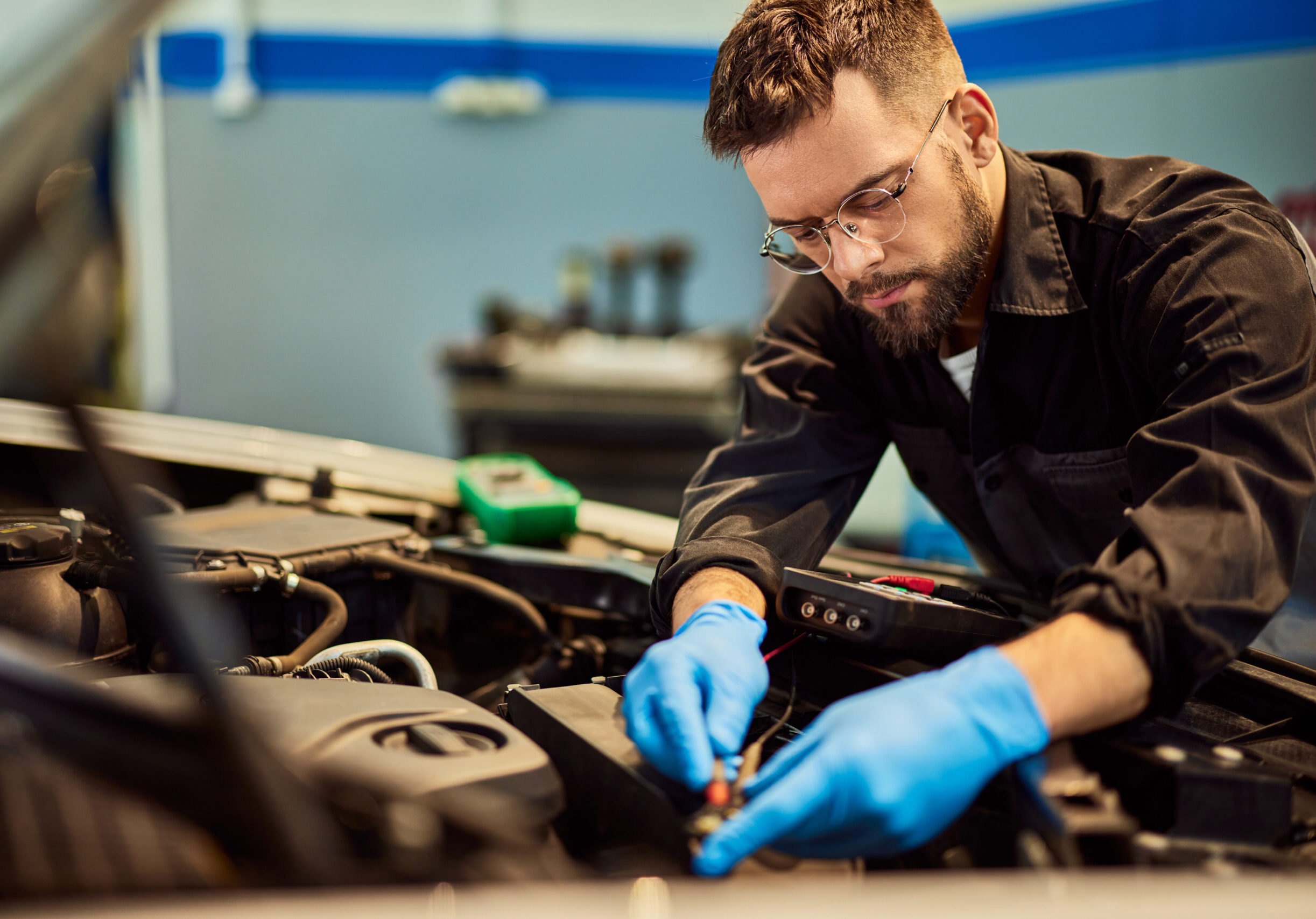
Optimus Technologies, Peaslee Tech, the University of Kansas, and the Kansas Soybean Commission are collaborating to prepare the next generation of diesel technicians for heavy-duty vehicles operating on 100% biodiesel.
A new workforce development initiative in Kansas is bringing advanced biodiesel technology directly into the classroom, providing aspiring diesel technicians with hands-on experience maintaining and servicing heavy-duty vehicles capable of operating on 100% biodiesel (B100).
The partnership between Optimus Technologies, Peaslee Technical Training Center, the University of Kansas (KU) Department of Chemical and Energy Engineering, and the Kansas Soybean Commission will introduce a Volvo VNR truck equipped with the Optimus Technologies Vector System into Peaslee Tech’s diesel technician training program.
Supported by grant funding awarded to Peaslee Tech, the project will provide students with access to real-world equipment and emerging technologies that are helping fleets expand their use of renewable fuels.
Bringing B100 Technology into the Classroom
At the center of the initiative is a Volvo VNR heavy-duty truck equipped with Optimus Technologies’ Vector System, an advanced fuel system designed to enable compatible diesel engines to operate on 100% biodiesel.
Unlike conventional B20 biodiesel blends, which contain 20% biodiesel and 80% petroleum diesel, B100 contains no petroleum diesel. Although biodiesel can be used in lower blends in many existing diesel engines, higher blends may require additional equipment modifications and operational considerations depending on the engine and application.
The Vector System addresses some of these challenges by managing fuel delivery and operating conditions to support the use of B100 in compatible heavy-duty diesel vehicles.
By incorporating this technology into its training program, Peaslee Tech will provide students with opportunities to explore biodiesel fuel systems, diagnostics, maintenance procedures, and vehicle operation.
The truck will also serve as a practical demonstration of how existing diesel engine technology can be adapted to operate on higher concentrations of renewable fuel.
Connecting Kansas Agriculture with Advanced Transportation Technology
The initiative highlights the relationship between agricultural production, renewable fuels, and the transportation industry.
Kansas soybean farmers contribute to the domestic supply of feedstocks used in biodiesel production. Soybean oil can be converted into biodiesel through a process known as transesterification, producing a renewable fuel suitable for use in diesel engines and other compression-ignition applications.
By supporting the project, the Kansas Soybean Commission is helping connect the state’s agricultural industry with workforce development and opportunities to expand the use of soybean-based fuels.
The partnership also illustrates how renewable fuels can support multiple sectors of the economy, creating connections between farmers, fuel producers, equipment manufacturers, fleet operators, and technical education programs.
Preparing Technicians for an Evolving Diesel Industry
As fleets evaluate opportunities to reduce emissions and diversify their fuel supplies, technicians must be prepared to service vehicles using a growing range of fuels and technologies.
While diesel engines remain essential to heavy-duty transportation, advancements in renewable fuel systems are expanding the options available to fleet operators.
The Volvo VNR training platform will allow students to develop practical experience with B100-compatible equipment while building on traditional diesel maintenance and diagnostic skills.
Students will be able to examine how biodiesel properties influence fuel system operation, understand the importance of proper fuel storage and handling, and learn about operational considerations associated with high-blend biodiesel use.
These skills can be valuable for technicians entering the trucking, municipal fleet, construction, agricultural, and other heavy-duty equipment sectors.
Industry, Education, and Research Working Together
The collaboration brings together organizations with complementary expertise.
Optimus Technologies contributes its experience developing and deploying advanced biodiesel fuel systems, while Peaslee Tech provides the educational environment and hands-on technical training.
The University of Kansas Department of Chemical and Energy Engineering adds an academic and research perspective, and the Kansas Soybean Commission connects the initiative to the state’s agricultural and renewable fuels industries.
Together, the organizations are helping bridge the gap between emerging vehicle technologies and the technicians responsible for maintaining them.
The project also provides an example of how partnerships between educational institutions and industry stakeholders can help prepare the workforce for new transportation technologies without requiring an entirely new approach to diesel technician education.
Expanding Opportunities for B100 Adoption
Biodiesel is already used by fleets across the United States, commonly in blends such as B5 and B20. Higher blends, including B50 and B100, are also being deployed in applications where equipment compatibility, fuel management, and operating conditions support their use.
Technologies such as the Optimus Vector System can help expand those opportunities by enabling compatible heavy-duty vehicles to operate on B100 while retaining conventional diesel capability.
For fleets interested in adopting higher biodiesel blends, access to knowledgeable technicians is an important consideration alongside fuel availability, infrastructure, equipment compatibility, and cost.
Training programs that incorporate B100 technology can help address that need by preparing technicians to understand and service the systems fleets may increasingly encounter.
Investing in the Future of Renewable Fuels
The Kansas initiative demonstrates that advancing renewable fuel adoption involves more than producing additional gallons of biodiesel. It also requires investment in the people, equipment, and technical knowledge needed to support successful implementation.
By bringing a B100-capable Volvo VNR truck into its diesel technician training program, Peaslee Tech will provide students with valuable exposure to technology already being used to expand renewable fuel opportunities in heavy-duty transportation.
The partnership offers a model for connecting agricultural innovation, technical education, and fleet operations while preparing the next generation of technicians to support a more diverse transportation energy landscape.