
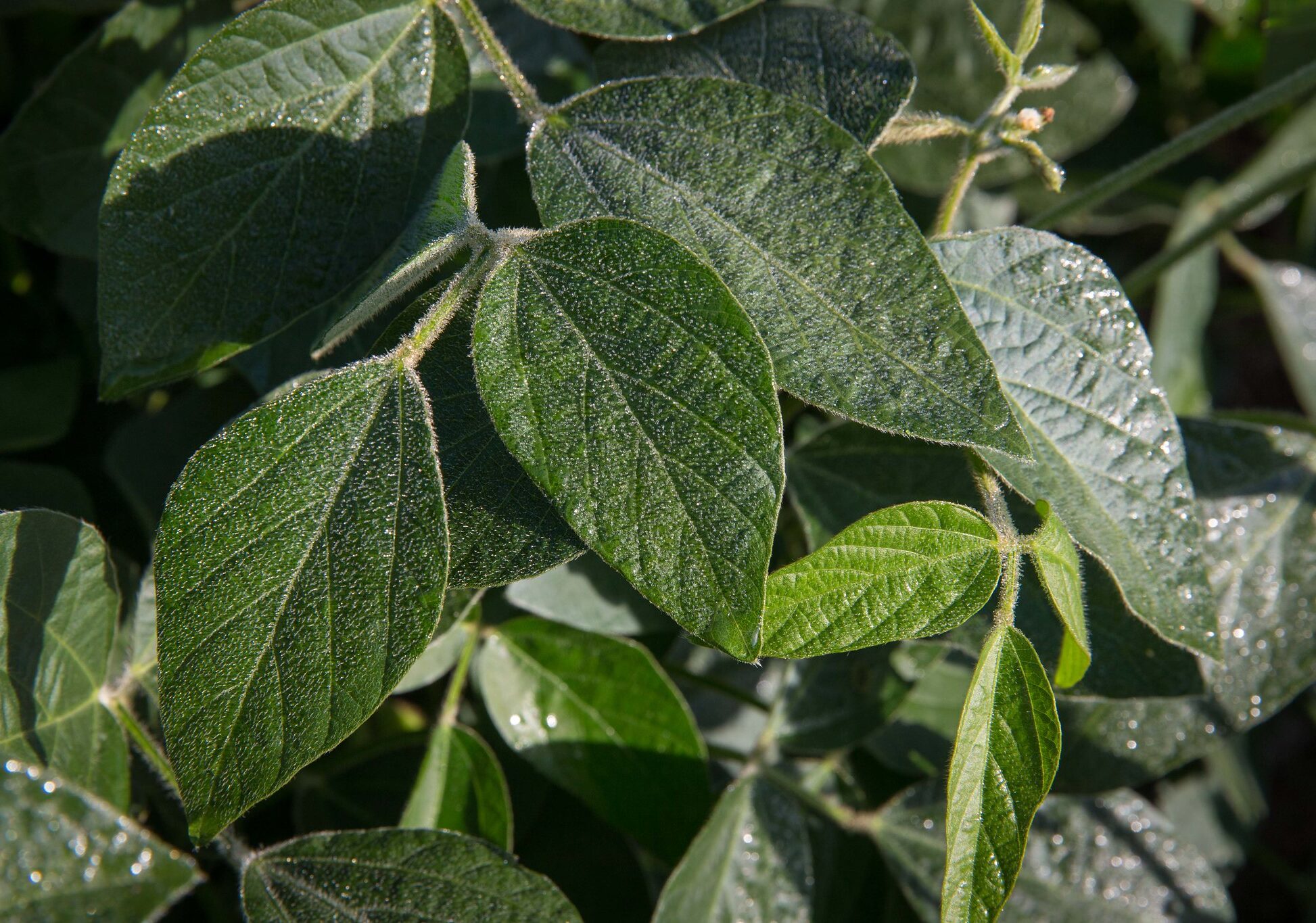
Bunge’s Brazilian operation announced in December that it had become the first company to achieve certification for soybeans used in sustainable aviation fuel (SAF) production under the international ISCC CORSIA Plus protocol, which is recognized by the International Civil Aviation Organization.
The certification was awarded to Bunge’s facility in Rondonópolis, located in Mato Grosso, following an audit conducted by SCS Global Services. In addition to the primary certification, the site also received the ISCC CORSIA Plus Low-LUC designation, which verifies a low risk of indirect land-use change associated with the certified soybeans.
Bunge described the achievement as a significant milestone for the biofuels industry, noting that it builds on earlier low-LUC certifications the company has obtained for other biofuel feedstocks.
To qualify for the certification, Brazilian soybeans must comply with stringent sustainability requirements, including comprehensive traceability measures and adherence to approved agricultural and land-management practices.
The designation further underscores Bunge’s position as a leader in supply-chain integration and innovation aimed at expanding low-carbon renewable energy markets.
“This certification demonstrates that it is possible to produce soybeans sustainably and with low emissions, meeting the most demanding international criteria,” said Pamela Moreira, Bunge’s director of sustainability for South America. “The vast productive potential and advanced agricultural techniques adopted by Brazil represent significant potential to contribute to the energy transition. This achievement reinforces that sustainably grown soybeans can be part of the solution for the advancement of SAF.”
The ISCC CORSIA Plus certification framework operates within the Carbon Offsetting and Reduction Scheme for International Aviation, which was established to promote the adoption of renewable fuels in international air transport.
The Low-LUC designation confirms that certified soybeans—through improved productivity and management practices—carry a minimal risk of indirect land-use change, meaning they are not linked to new agricultural expansion.
“In addition to detailed technical criteria and rigorous audits, the producer’s management practices play a fundamental role in this certification,” Moreira added. “This reinforces our journey of having an active role in our supply chain, engaging and supporting our producers in this transition, but also connecting with new opportunities. We are aware of the challenges in scaling this certification, and therefore, its result is of great importance to the sector, reinforcing the credibility of Brazilian agricultural production. Although this initial certification applies to our Rondonópolis unit, it represents a fundamental step in expanding the availability of soybean raw material for the growing SAF market.”
Adapted from an article originally shared by Biobased Diesel Daily. Image Credit: Flickr – United Soybean Board